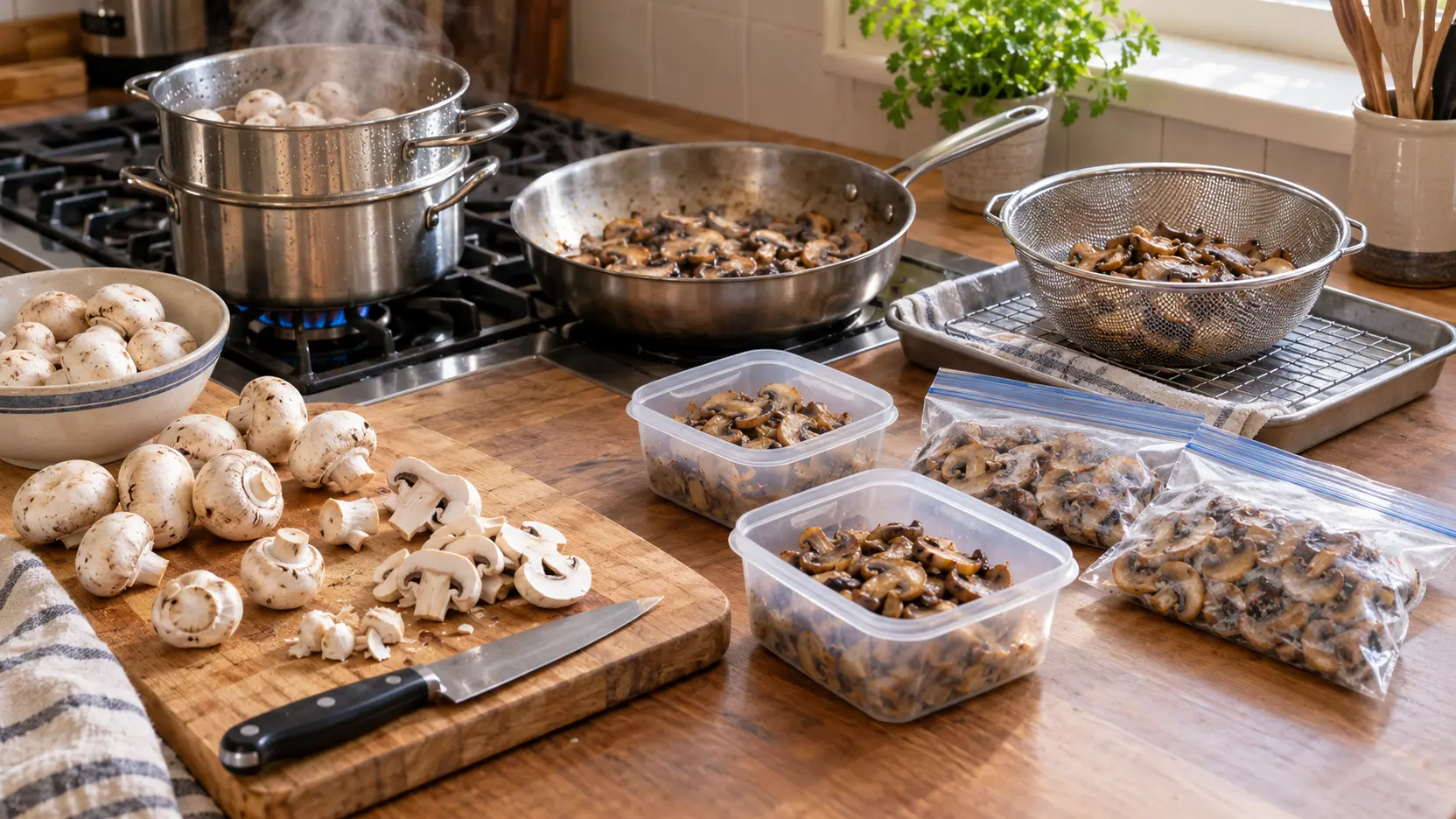
Can You Freeze Mushrooms Raw?
Raw mushrooms will freeze, but steaming or sautéing first gives more dependable quality. See exact steam times, anti-darkening treatment, and packing steps.
Read the practical guidePlain living, modern numbers
Practical ways to cook from scratch, waste less, preserve more, and live well with less.
Clear methods · Current sources · No romanticized myths
Start here
Each guide begins with the direct answer, shows the method, and links to the evidence behind any safety or savings claim.
Raw mushrooms will freeze, but steaming or sautéing first gives more dependable quality. See exact steam times, anti-darkening treatment, and packing steps.
Read the practical guide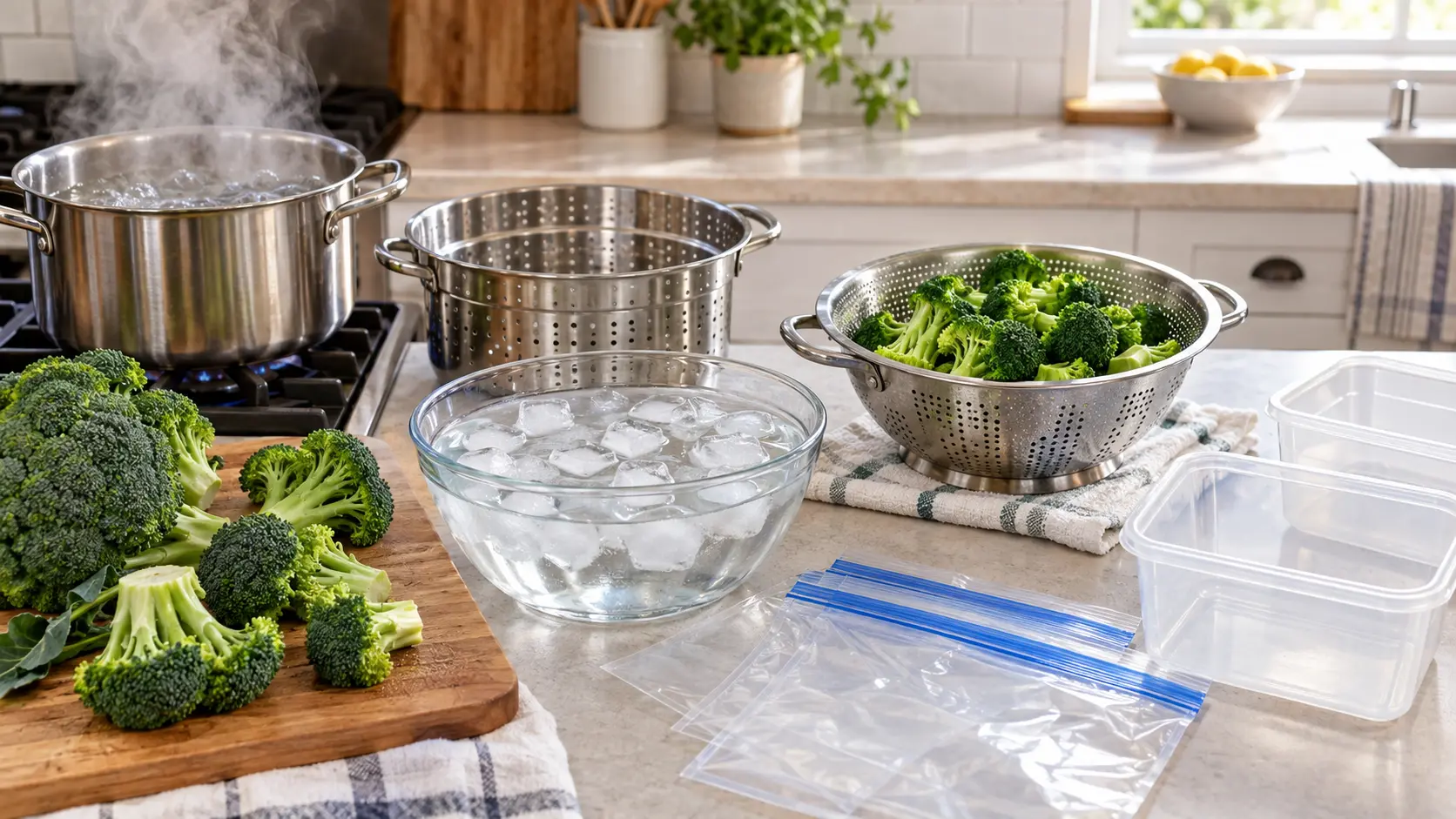
You can freeze broccoli raw, but blanching gives more dependable quality. Water-blanch 3 minutes or steam-blanch 5, cool, drain, and pack with no headspace.
Read the practical guide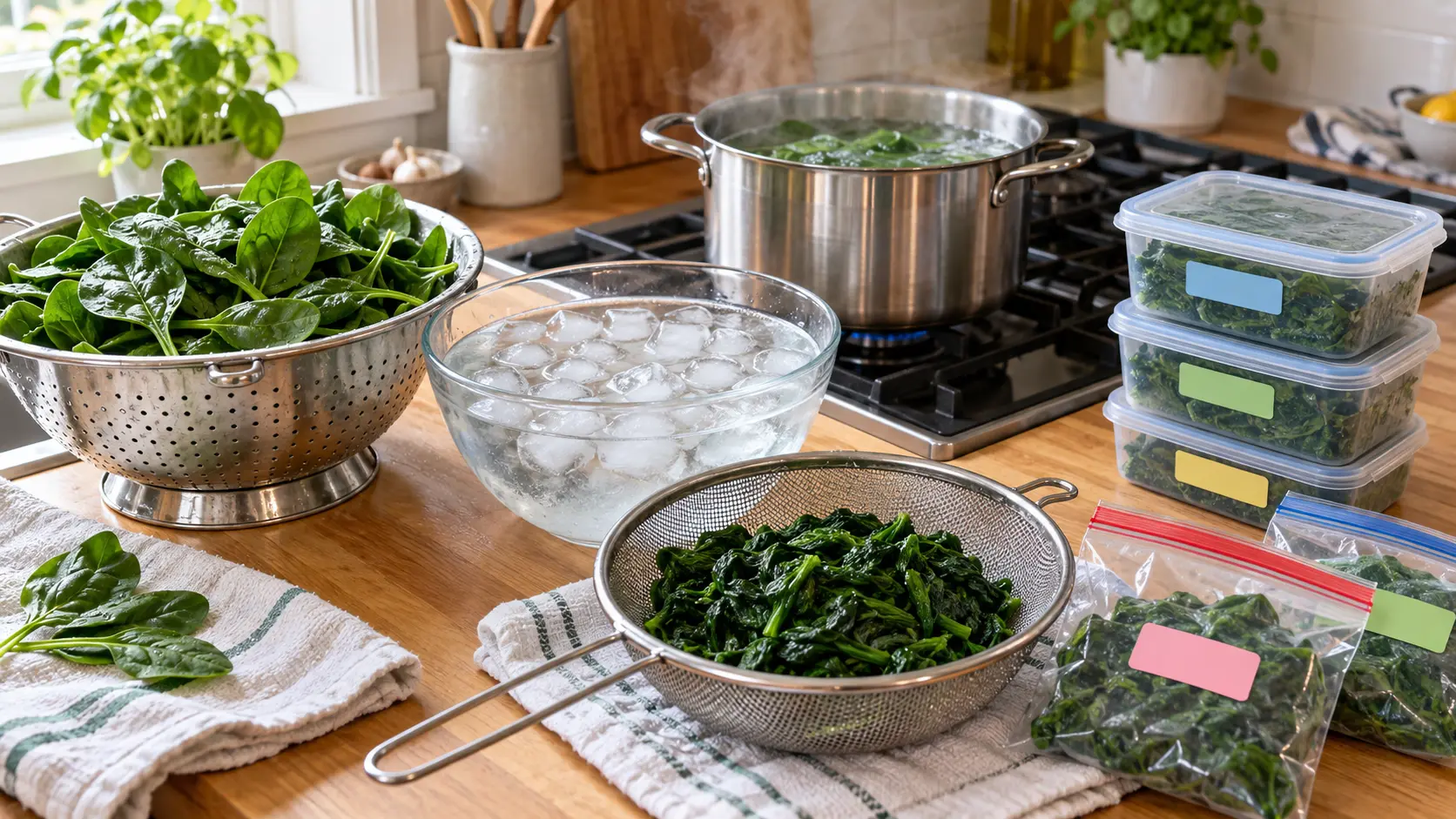
You can freeze spinach raw, but blanching it for 2 minutes gives more dependable color, flavor, and texture. Cool, drain, and pack with ½ inch headspace.
Read the practical guidePractical answers for everyday savings
Yes, when the habit reduces a measurable expense. Meal planning, using food before it spoils, line-drying some laundry, cooking flexible staples, and storing food correctly can all lower household costs. The label “old-fashioned” is not proof; the numbers and the repeatability of the habit are what matter.
See the evidence-backed listNew free mini app
Build a private use-it-up list, put urgent food first, add calendar reminders, and keep a running total of the food value you rescue.
Open my pantry plannerBuild your household system
Small household systems that reduce waste and recurring costs.
Explore this topic →Reliable staples, flexible meal plans, and fewer convenience purchases.
Explore this topic →Evidence-based canning, freezing, drying, and pantry storage.
Explore this topic →Practical growing skills for ordinary yards and small spaces.
Explore this topic →Simple ways to use less power without making home uncomfortable.
Explore this topic →Free household calculator
Enter your laundry routine and electricity price. We will show the estimate—and the formula—so you can decide whether the habit is worth it.
Calculate my annual savingsFree food preservation toolkit
Search common produce for the recommended preparation, blanching or anti-browning step, cooling and packaging guidance, best uses, and a printable freezer label.
Find my produceresearched produce preparations with a primary source on every result
Research library
40 guides shown
Food Preservation
Raw mushrooms will freeze, but steaming or sautéing first gives more dependable quality. See exact steam times, anti-darkening treatment, and packing steps.
→Food Preservation
You can freeze broccoli raw, but blanching gives more dependable quality. Water-blanch 3 minutes or steam-blanch 5, cool, drain, and pack with no headspace.
→Food Preservation
You can freeze spinach raw, but blanching it for 2 minutes gives more dependable color, flavor, and texture. Cool, drain, and pack with ½ inch headspace.
→Food Preservation
No. Remove eggs from their shells, gently mix whole eggs, and freeze measured portions. Use special treatment for yolks and no additive for whites.
→Food Preservation
Yes. Cook and mash mature pumpkin, cool the purée promptly, pack it in recipe-size portions with ½ inch of headspace, and freeze at 0°F or below.
→Food Preservation
Yes. Sugar is optional in tested home-canned applesauce. Hot-pack the sauce, leave ½ inch of headspace, and water-bath process pints or quarts for the time required at your elevation.
→Food Preservation
Do not replace cook-type Clear Jel with cornstarch, flour, tapioca, instant Clear Jel, or pectin in a tested canned apple pie filling recipe. Freeze the filling or can plain apples instead.
→Food Preservation
Yes. Freeze raw apple slices after an ascorbic-acid treatment, then tray-freeze and package them. Expect a softer texture and plan to use them in cooked dishes.
→Garden & Homestead
No—not for long-term storage. Onions need drier air, while potatoes need darkness and more humidity. Use two ventilated containers and separate storage zones.
→Garden & Homestead
Yes—carrots can stay in well-drained garden soil after light frosts when a heavy mulch keeps the ground workable. Know when winter, water, or pests make indoor storage safer.
→Food Preservation
No—most homemade soups are low-acid and require a true pressure canner. Use the tested half-solids method and add pasta, rice, dairy, or thickeners after opening.
→Food Preservation
No—home-canned pumpkin purée is not recommended. Freeze the purée, or pressure-can 1-inch pumpkin cubes using the tested process.
→Food Preservation
No—plain green beans are low-acid and require a real pressure canner. A tested pickled-bean recipe is the boiling-water alternative.
→Food Preservation
Yes—acidify whole, crushed, and juiced tomatoes with bottled lemon juice or citric acid, even when a tested recipe offers pressure-canning directions.
→Garden & Homestead
Store sound apples in a refrigerator crisper or another monitored 32–40°F space, using perforated bags to retain humidity without trapping condensation.
→Garden & Homestead
Yes—cure mature butternut squash for about 10 days in a warm, ventilated place, then store it dry at 50–55°F without letting fruits touch.
→Garden & Homestead
Cure freshly harvested sweet potatoes immediately at 80–85°F and 85–90% humidity for 7–10 days, then store them dark and ventilated at 55–60°F.
→Garden & Homestead
Cure freshly dug garlic with the tops attached in a warm, dry, airy, shaded place for about 3–4 weeks, then trim, sort, and store it cool and dry.
→Garden & Homestead
Harvest mature storage onions in dry weather, cure them in one airy layer for 2–3 weeks, then store only firm, dry bulbs at 32–40°F.
→Food Preservation
Yes—unless it was processed with a tested canning recipe. Use the refrigerator, freezer, or a complete boiling-water process; a popped lid alone is not enough.
→Garden & Homestead
Use the coolest dark, ventilated place you can keep near 40–45°F—and store only an amount that location can realistically protect.
→Food Preservation
Raw carrots will freeze, but blanching gives more dependable quality. Use 2 minutes for pieces or 5 minutes for small whole carrots.
→Food Preservation
Raw potatoes freeze poorly. Use the tested 3–5 minute method for new potatoes—or partially fry homemade fries before freezing.
→Food Preservation
Raw cabbage can be frozen, but a 1½-minute water blanch gives more dependable color, flavor, and texture for cooked dishes.
→Food Preservation
For better color, flavor, and texture, peel and slice eggplant ⅓ inch thick, then blanch it for 4 minutes in lemon-water before freezing.
→Food Preservation
You can freeze raw okra, but blanching protects its color, flavor, and texture. Use 3 minutes for small pods and 4 minutes for large pods.
→Food Preservation
Freeze bell peppers raw without blanching: wash, core, cut, tray-freeze, and package airtight. Learn the best cuts, storage time, and uses.
→Food Preservation
Freeze peaches without added sugar using a tray pack, 100% juice, or pectin syrup. Follow tested steps to limit browning and texture loss.
→Food Preservation
Yes, raw green beans will freeze—but here is what happens to their texture and why a 3-minute blanch gives better long-term quality.
→Food Preservation
Yes, raw corn will freeze—but blanching protects sweetness, color, and texture. Compare the shortcut with the exact 7-, 9-, and 11-minute method.
→Pantry Savings
Yes—assemble this sausage, potato, and egg casserole the night before, then bake it to a safe center temperature.
→Food Preservation
Yes—here is the tested skin-on method, the texture to expect, and the difference between freezing and canning tomatoes.
→Food Preservation
The evidence-based answer, exact blanching times, and a practical method for freezing sliced or grated zucchini.
→A realistic one-week reset that uses pantry and freezer food before another full grocery trip.
→A practical filter for separating useful household systems from romanticized internet folklore.
→Pantry Savings
A small, rotating pantry system based on meals you already cook—not aspirational bulk shopping.
→Low-Energy Living
Estimate annual dryer electricity avoided using your own loads, utility rate, and line-drying percentage.
→Food Preservation
Which traditional methods remain useful, where current tested recipes are essential, and which shortcuts to avoid.
→Garden & Homestead
Choose high-use crops, measure yield, and avoid turning a money-saving garden into an expensive hobby.
→Free Challenge
Thirty small household actions designed to reveal waste before asking you to buy anything.
→